Lauren Hayes | Published: February 11, 2026 | Last updated: April 18, 2026 | Category: Blog, Travel
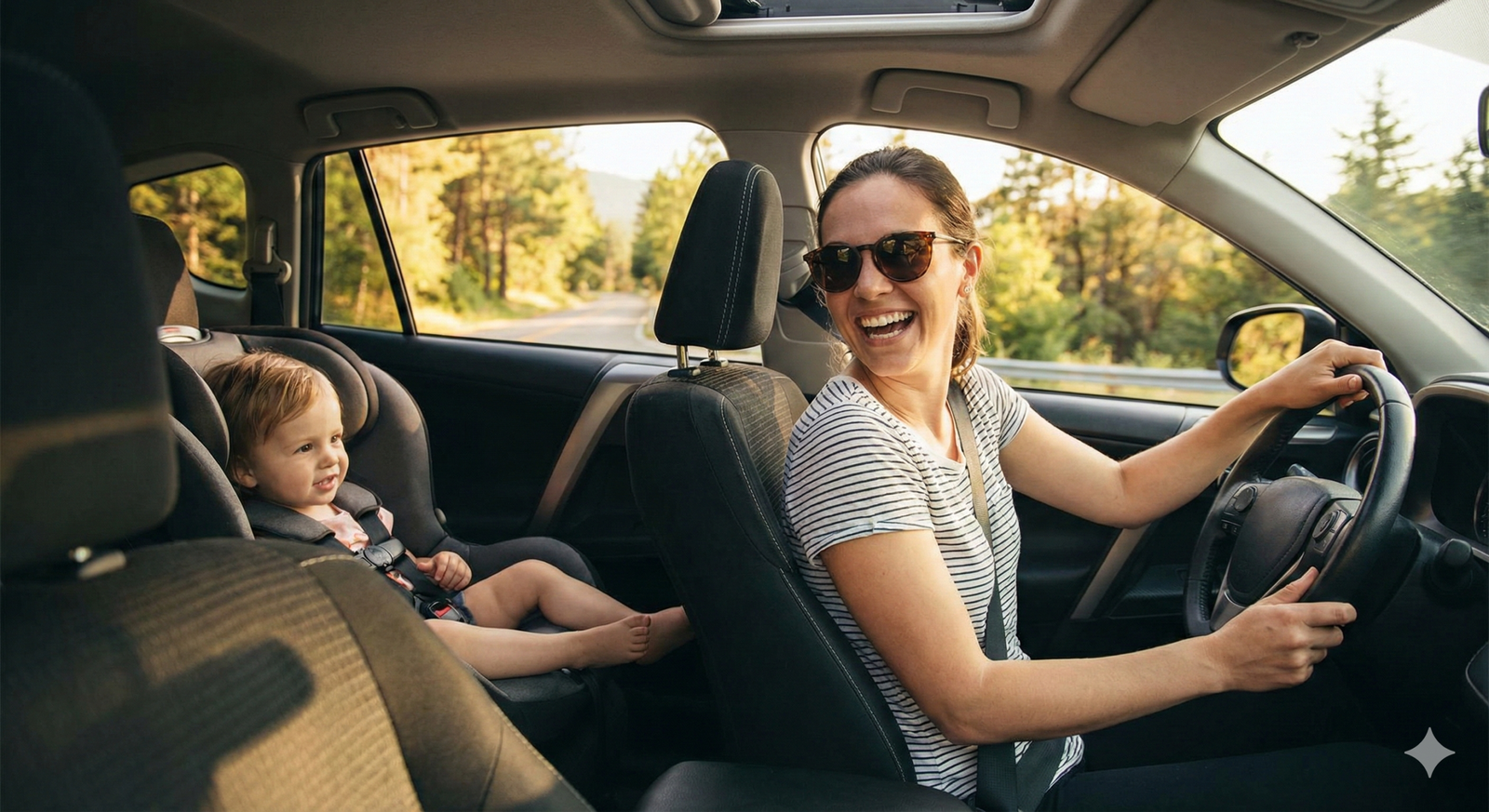
We have all had that moment. The car is loaded, the coffee is in the holder, the kids are buckled in, and you feel that familiar knot in your stomach. Will they nap? Will the crying start after twenty minutes? Are you about to spend five hours listening to the same nursery rhyme on a loop?
I have been there too, both as a mother of two and a kindergarten educator with fifteen years of classroom experience. My daughters are four years apart, which means I have done the toddler-and-preschooler combo drive more times than I can count, and I have watched hundreds of children in my classroom cope with long transitions of every kind. A four-hour drive is a transition. So is an hour across town. Kids do not measure distance the way adults do, they measure how long they have been sitting still.
Here is the secret I wish someone had told me earlier: a smooth trip is not about luck. It is about preparation, and specifically, the right preparation for the age you are traveling with. A one-year-old needs different things than a four-year-old. This guide walks you through everything I pack for road trips with kids ages 1 to 5, including the essential kids travel essentials, the real picks I use in my own family and recommend to parents in my classroom. No fluff. No products I have not tested.
By the end of this article, you will have a packing system, the best travel toys by skill, five screen-free games that cost nothing, and answers to the questions parents ask me most about car trips.
This post contains affiliate links. As an Amazon Associate, I earn from qualifying purchases at no extra cost to you. I only recommend products I have personally tested or used in my classroom.
This post contains affiliate links. As an Amazon Associate and member of other affiliate programs, I earn from qualifying purchases at no extra cost to you.
Get the essential checklist every parent needs before the first day of daycare. Sent straight to your inbox, free.
Get Your Free ChecklistAfter fifteen years of watching children in my classroom and two of my own at home, I can tell you the three mistakes that derail a road trip almost every time.
Mistake 1: packing toys that require both hands or a flat surface. Puzzles, loose beads, small building blocks. They sound fun until you see them scatter across the footwell at the first turn. Car-friendly toys are self-contained, magnetic, or attached to a tray.
Mistake 2: starting with screens. If the tablet comes out in the first hour, you have nothing left for hour four. Save screen time for the meltdown window, not the fresh-eyed start.
Mistake 3: no snack strategy. Hungry kids do not announce it politely. Pre-portioned snacks within reach prevent the roadside tantrum stop. I pack double what I think I need.
In my classroom, every activity has a defined space. A water station, a reading corner, a sensory table. This is not accidental. Clear zones help young children regulate their own behavior. The same principle turns a chaotic back seat into a manageable one.
Three pieces of gear do most of the work:
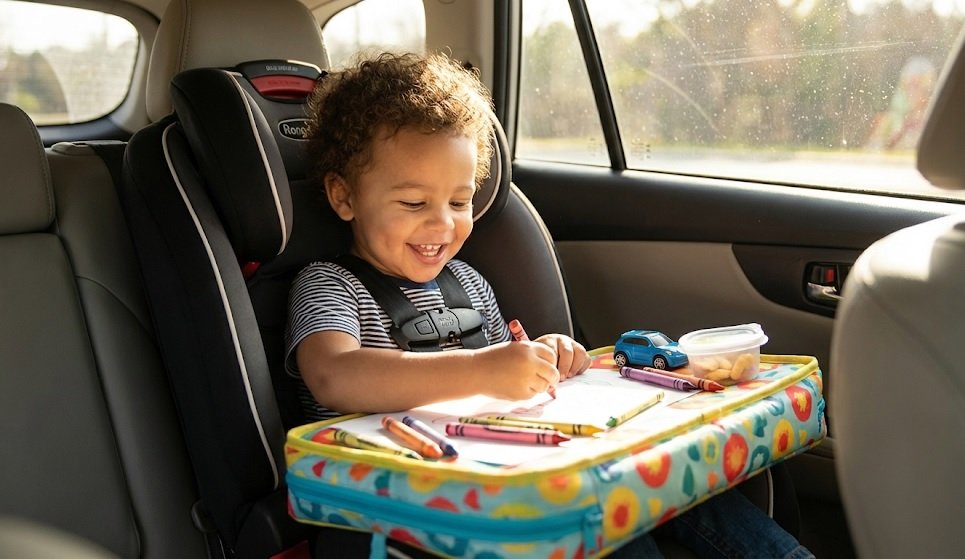
A travel tray. This is the foundation. It gives your child a flat, stable surface for drawing, snacking, or building. The raised edges keep crayons and small toys from disappearing under the seat. I use the Toddler Travel Tray with both my daughters and it has survived every trip we have taken.
A car-seat organizer. Keeps water bottles, wipes, tissues, and the small toys you rotate through all within arm’s reach from the front seat. I recommend a versatile travel organizer that hangs on the back of the front seat. Handing things back without turning around is a quiet kind of magic.
A portable white noise machine. If your child naps in the car or you stop overnight somewhere new, a portable white noise machine blocks traffic sounds and unfamiliar hotel noises. The younger the child, the bigger the difference.
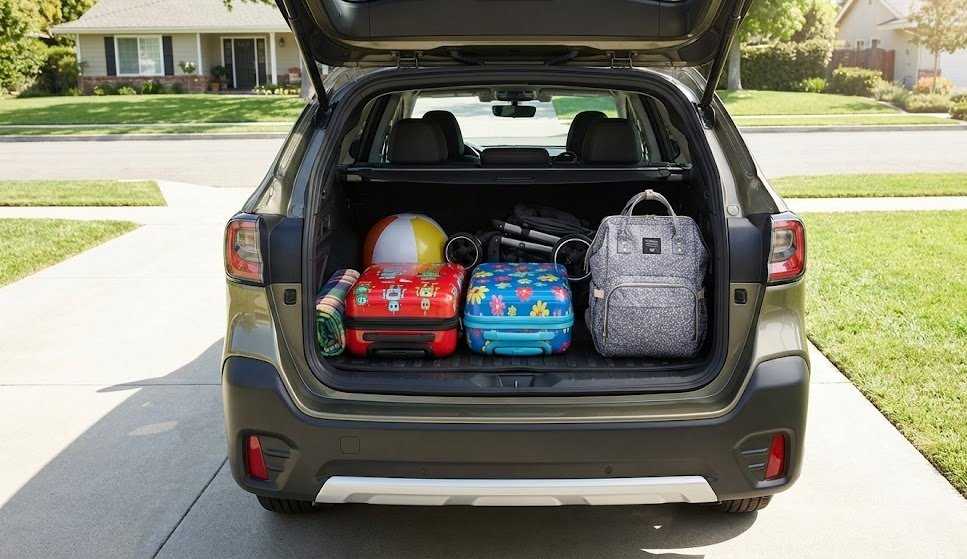
Free Download: The Road Trip Packing Checklist for Parents
A one-page printable you can pack the night before. Covers the three-zone car setup, toys by age, snacks, screen-time rules, and the five-minute pre-drive checklist that stops most meltdowns before they start.
I organize travel toys the same way I organize classroom shelves, by the skill they build. This matters because a three-hour drive is not just time to fill, it is an opportunity to let your child practice something with full focus, without the distractions of a busy household.
Here are the categories I pack for every trip with kids ages 1 to 5.
Fine motor toys are ideal for the car because they keep small hands busy in a small space. These three are my go-to picks:
Magnetic toys are the unsung heroes of car travel. Pieces do not scatter, do not get lost between seats, and keep a child engaged far longer than loose toys.
Nothing is worse than finding marker on the car upholstery. These two give kids the freedom to draw and create without the cleanup.
Once your child is past three, car toys can start building real thinking skills, not just burning time. These three are my favorites for the preschool age.
I am not anti-screen. I am anti-wasted-screen. When you do pull out a tablet on a long drive, the content matters more than the duration.
For car trips, I use Amazon Kids+. Thousands of ad-free books, shows, and games filtered by age, with a critical feature most parents overlook: offline mode. Download content at home, your child watches without eating through your data or relying on hotel Wi-Fi. There is currently a free 30-day trial if you want to test it before paying.
My rules for screen time on a road trip:
Sometimes the best entertainment is not something you bought. Here are six games I play with kids in my classroom during long walks, rainy days, and waiting rooms. They all work in the car.
1. The Wrapped Surprises Game. Before the trip, wrap two or three toys your child already owns in plain paper or tissue. Hand one over every hour or so. The unwrapping alone buys you fifteen minutes. The toys do not need to be new.
2. Color I Spy. Instead of hunting for objects, hunt for colors. ‘Who can spot five red things outside?’ This works earlier than regular I Spy because even two-year-olds know colors.
3. Story Chain. You start a story with one sentence. ‘There was a rabbit who found a magic door.’ The next person adds a sentence. Keep going. Preschoolers come up with the wildest plot twists.
4. Alphabet Road Signs. Find the letter A on a sign, then B, then C. Ages 4 and up. Builds letter recognition without flashcards.
5. What If. Ask open-ended questions. ‘What if our car could fly? What if the sky were green?’ It sounds simple. It is actually a language and imagination workout that lasts as long as you have the patience to answer more questions.
6. Sing Out Loud Together. Obvious but underused. Kids do not care if you can actually sing, they care that you are having fun with them. Pick their favorite song and go all in, the louder the better. In my experience, nothing pulls a whining three-year-old out of a bad mood faster than their mom belting out their favorite song without shame.
The general guideline is no more than two hours at a time for kids under two, with stops for movement and repositioning. Older toddlers and preschoolers can manage longer stretches, but a break every two to three hours keeps mood and circulation better.
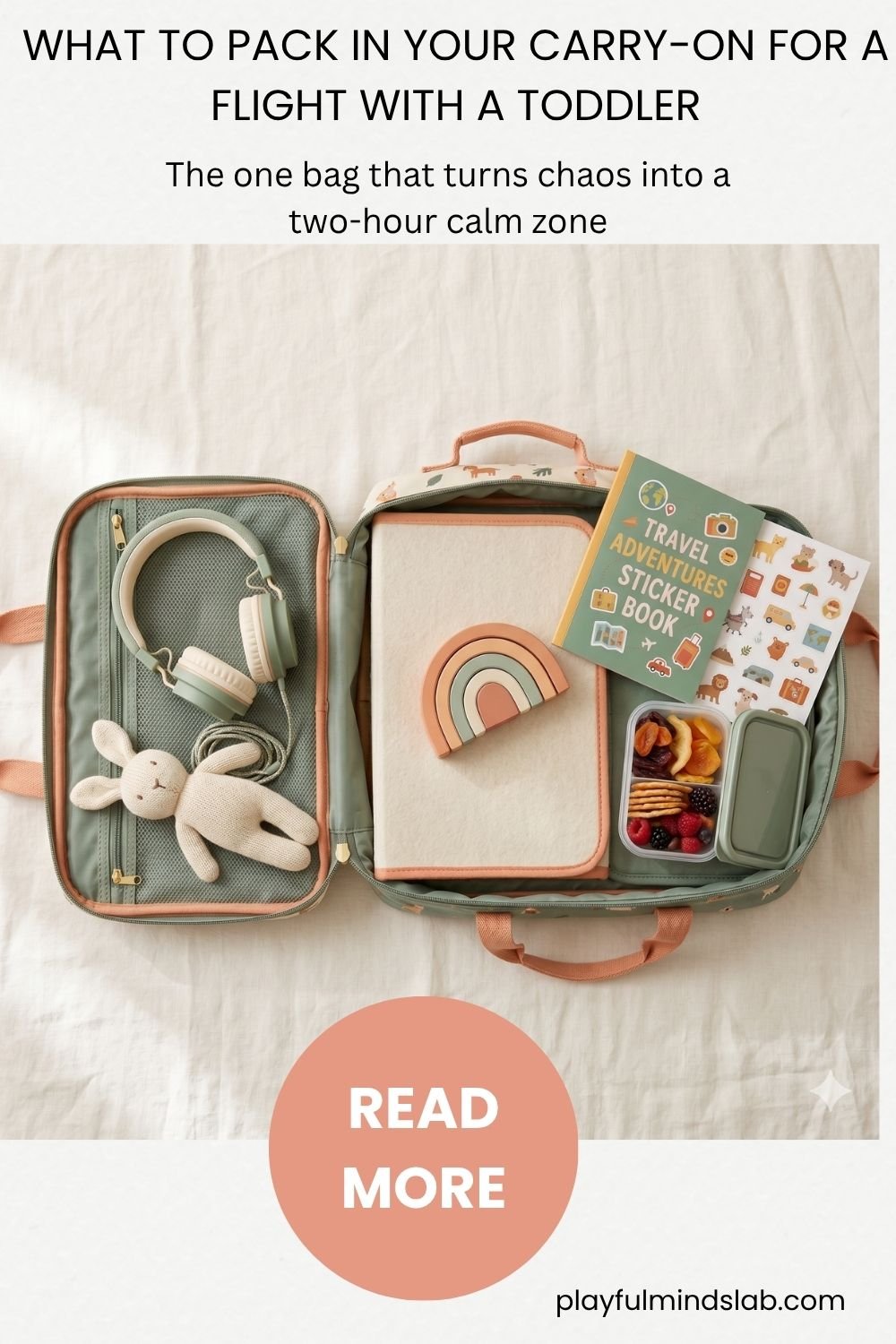
Every family eats differently, so I think in categories rather than specific items. Aim for low-mess, low-sugar, and pre-portioned. Finger foods your child already likes at home travel best. In our family, that means vegetable sticks (carrots, cucumber, peppers), small pieces of cheese, whole-grain crackers, dried fruit, and sometimes a few dried mini sausages which my daughters love on long drives. Keep water within reach always. Avoid anything that melts, crumbles heavily, or comes with loose crumbs. Pack about double what you think you need, you will use it all.
For kids under five, breaks win. A twenty-minute stop at a playground every three hours keeps everyone happier than a single fast drive. The total journey takes longer, but the arrival is calmer.
The AAP and WHO are clear on this: no screens at all for babies under 18 months, aside from video chats with family. Between 18 and 24 months, if you introduce screens, only with a parent and only high-quality content. From age 2 to 5, the daily limit is one hour of quality content. For road trips specifically, I wait until my child is 3 before using screens in the car, and even then I cap it at 2 hours total and stick to shows or educational animations, never video games. If your baby is under 18 months, plan the trip around sleep times and rely on toys and songs instead.
Keep the child’s line of sight high and forward, and crack a window for fresh air whenever you can. Avoid screens if motion sickness is already a problem, screens make it significantly worse. Singing together or playing audio stories can actually help, because it shifts the child’s focus from their stomach to the sound. If car sickness is a recurring issue, talk to your pediatrician about what is appropriate for your child’s age.
Traveling with small kids is a marathon, not a sprint. You will not pack it perfectly, and that is okay. The point is not a flawless drive, the point is arriving with everyone still in a good enough mood to enjoy wherever you are going.
Start with the three essentials (tray, organizer, white noise), add two or three toys from each skill category, keep screens for hour three, and save one wrapped surprise for the hardest moment. That is it. Everything else is bonus.
Safe travels, and play smart.
Lauren Hayes is a kindergarten educator with fifteen years of classroom experience and the founder of Playful Minds Lab. She writes practical guides for parents of children ages 0 to 7, drawn from what actually works in real classrooms and homes.
Planning the next big transition? Most parents who travel with toddlers are also preparing for daycare. My guide Daycare Ready Without Tears is a practical 16-page manual that walks you through the weeks before, the first day itself, and what to do when the crying does not stop. Get the guide for €12 →
Thank you for supporting my work! In this post, I am recommending toys that we truly love and use at Playful Minds Lab. As an Amazon Associate I earn from qualifying purchases.